
Your deck isn't falling apart. But it's not something you're proud of either.
The boards are rough. The railing has that "don't lean on it" wobble. The stairs feel a little sketchy when it rains. You used to eat dinner out there. Now you avoid it.
So you start looking into options — and the internet gives you two: patch it up or tear it down. A $500 band-aid or a $15,000 rebuild. As if there's nothing in between.
There is. And it's what we do more than anything else.
It's called ReDecking — and for most SW Virginia homeowners, it's the smartest money you'll spend on your home's outdoor space.
TL;DR — Key Takeaways
- ReDecking means keeping your existing frame and replacing everything you walk on, touch, and hold onto — deck boards, railings, and usually stairs.
- It only works if the structure underneath is safe. That's why we always inspect the framing before we quote the surface.
- ReDecking typically costs significantly less than a full rebuild because you're not tearing out and replacing sound structural framing.
- Composite upgrades are possible — but your joist spacing has to support it. If it doesn't, we add joists to make it work.
- The first step is a free onsite visit where we confirm what's safe to keep and what needs to go.
Table of Contents
1. What ReDecking Actually Means
ReDecking — also called deck resurfacing — is a high-impact upgrade where we rebuild everything you see, touch, and walk on, while keeping the structural frame that's hidden underneath.
What gets replaced:
- Deck boards (the entire walking surface)
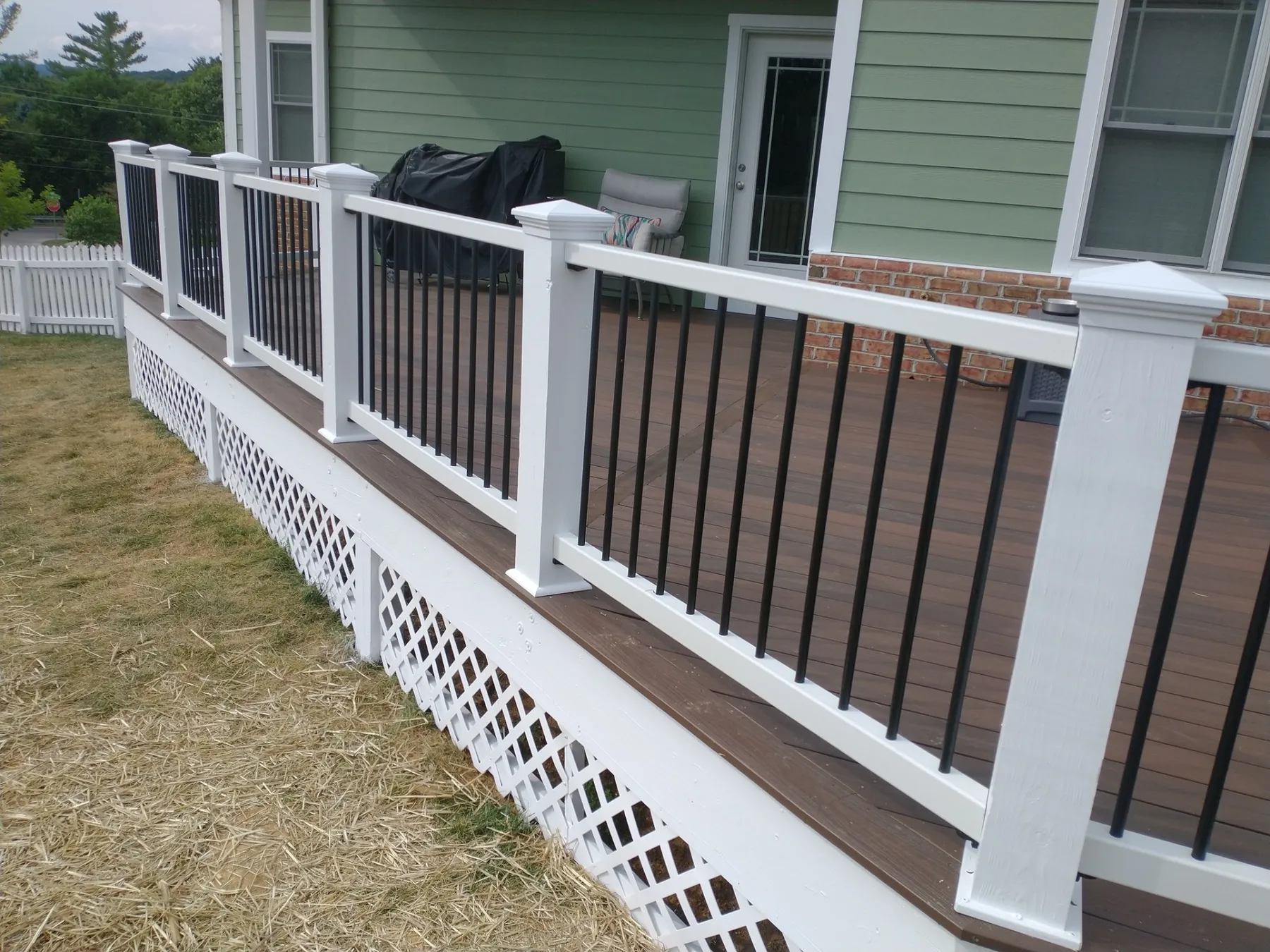
- Railings (often the single biggest visual and safety upgrade)
- Stairs (commonly rebuilt with new stringers — stairs take the most abuse)
What gets kept — if it's sound:
- Posts, beams, joists, and the structural framing system
- Footings and support system
- The general deck layout
The key phrase is "if it's sound." We never resurface a deck without confirming the structure can safely support another 15-20 years of use. That confirmation is the entire point of our onsite assessment.
2. Why This Is the Option Most Homeowners Miss
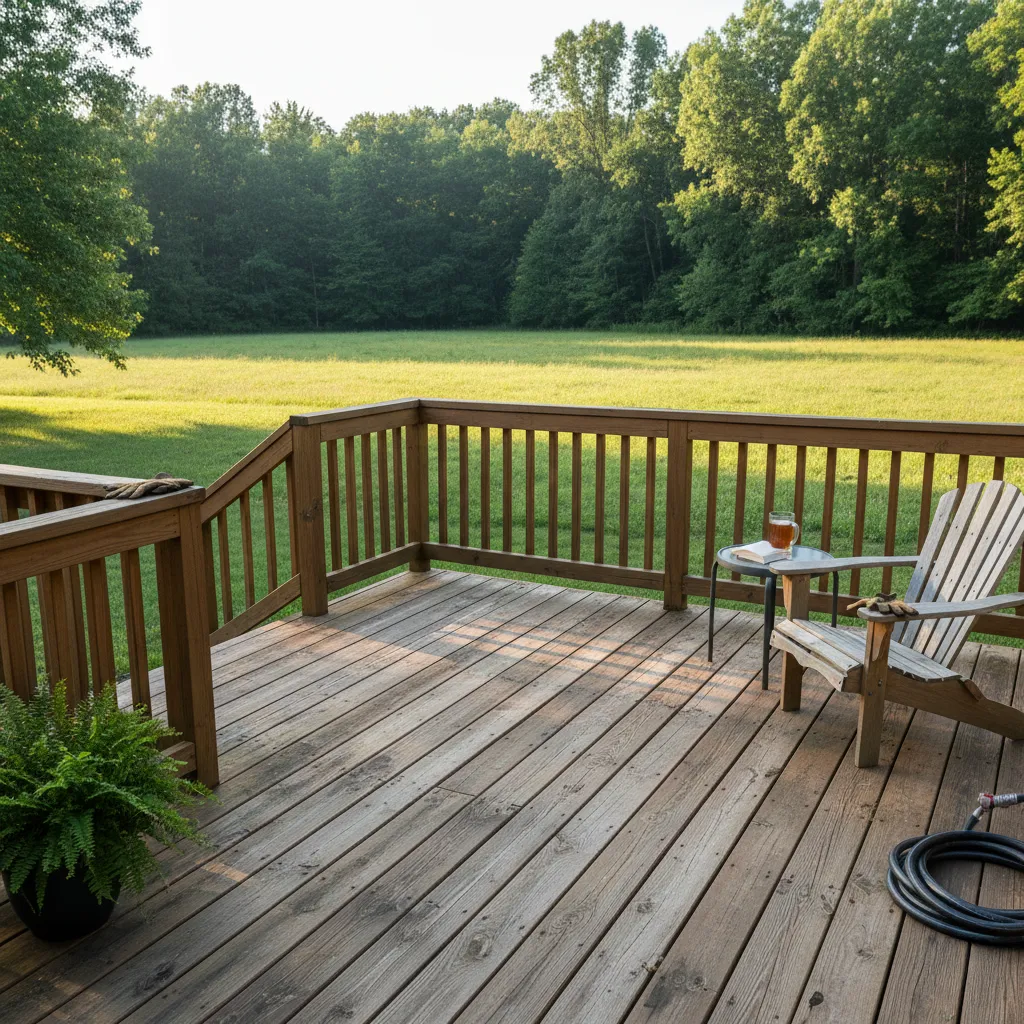
Nobody wakes up excited about a construction project. You wake up because the deck has crossed a line — from "it's fine" to "I don't trust it anymore."
The railing wobbles when your mother-in-law grabs it. The boards snag your kid's bare feet. You stopped hosting because you're embarrassed by how it looks. You keep telling yourself you'll deal with it next spring — and next spring keeps coming.
Then you get online and every contractor is pushing one of two things: a cheap patch job that won't last, or a full tear-down that costs more than your kitchen renovation.
ReDecking exists in the space between those two extremes. It's for the deck that doesn't need to die — it needs a second life. And when the framing is solid, resurfacing gives you the biggest transformation for the least cost.
→ See what a ReDeck transformation looks like
"ReDeck did a wonderful job of replacing the entire structure while making it sturdier and larger. Very happy with every aspect of the structural integrity and pride in workmanship."
— Cg Arnell, Christiansburg
3. What Gets Replaced (And What Gets Kept)
Deck Boards — Wood or Composite
The entire walking surface gets stripped and replaced. You choose between pressure-treated wood or composite (Trex, TimberTech, or Fiberon) depending on your goals, your budget, and what your framing can support.
If you want that "picture-frame" or waterfall-style edge detail for a more custom finished look — that's something we can plan during the design phase.
Railings — The "This Changes Everything" Upgrade
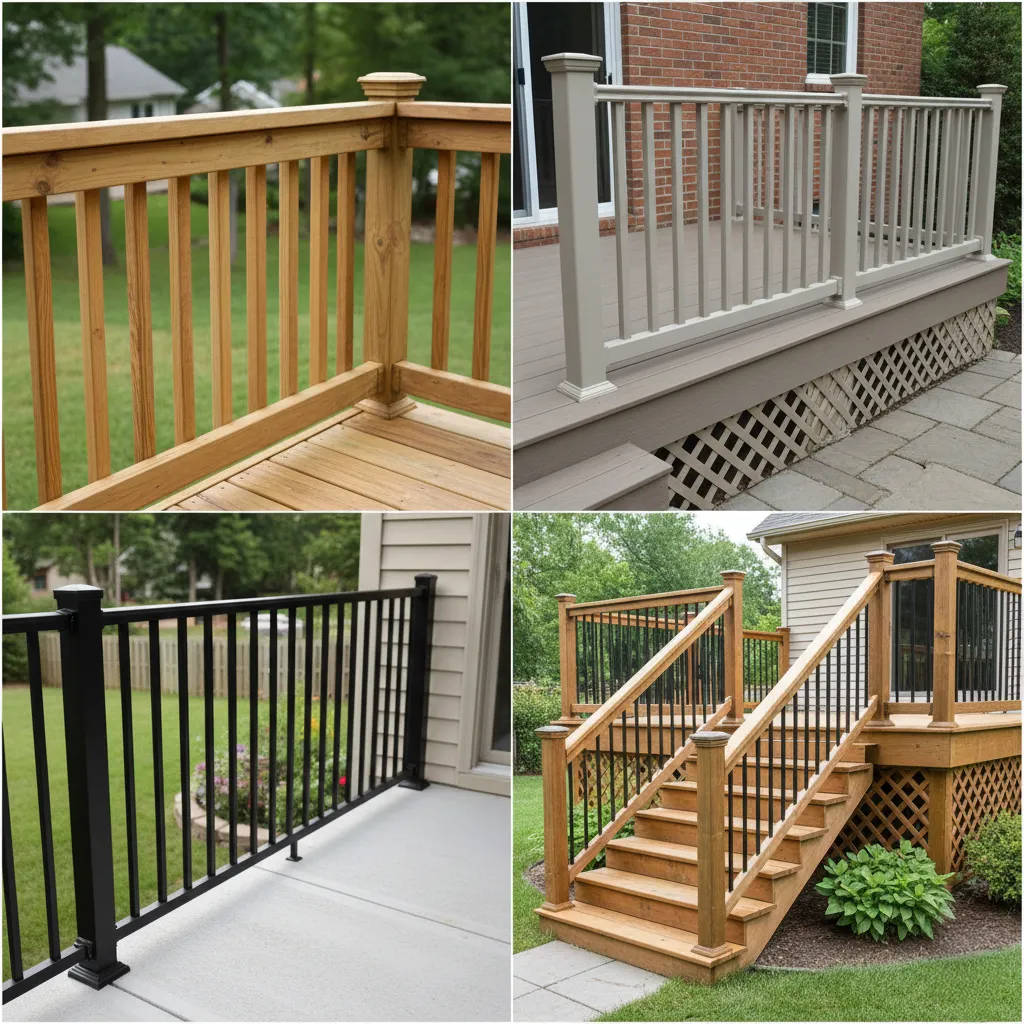
Railings affect three things at once: how safe the deck feels, how finished it looks, and how confident your guests feel using the space. A railing upgrade alone can transform the entire feel of a deck.
We install wood railings, composite railings, and our preferred option: black aluminum — clean lines, zero maintenance, and it looks sharp against every board color.
We do not install cable railings.
Stairs — Expect More Than a Surface Swap
Stairs take the most abuse on any deck. In practice, stairs almost always end up being rebuilt or updated with new stringers as part of a ReDeck — because they wear faster, show damage sooner, and carry the most safety risk.
If your stairs feel sketchy, they probably are. We'll tell you straight whether they need new treads or new everything.
🔴 Wondering if your deck qualifies for ReDecking?
The only way to know for sure is to look underneath. We do that for free.
Request a Free Onsite Assessment →4. What Has to Be Sound Before We'll Resurface
ReDecking only makes sense when the structure underneath is safe to keep. Here's what we need to see before we'll recommend it:
The Structural Frame and Load Path
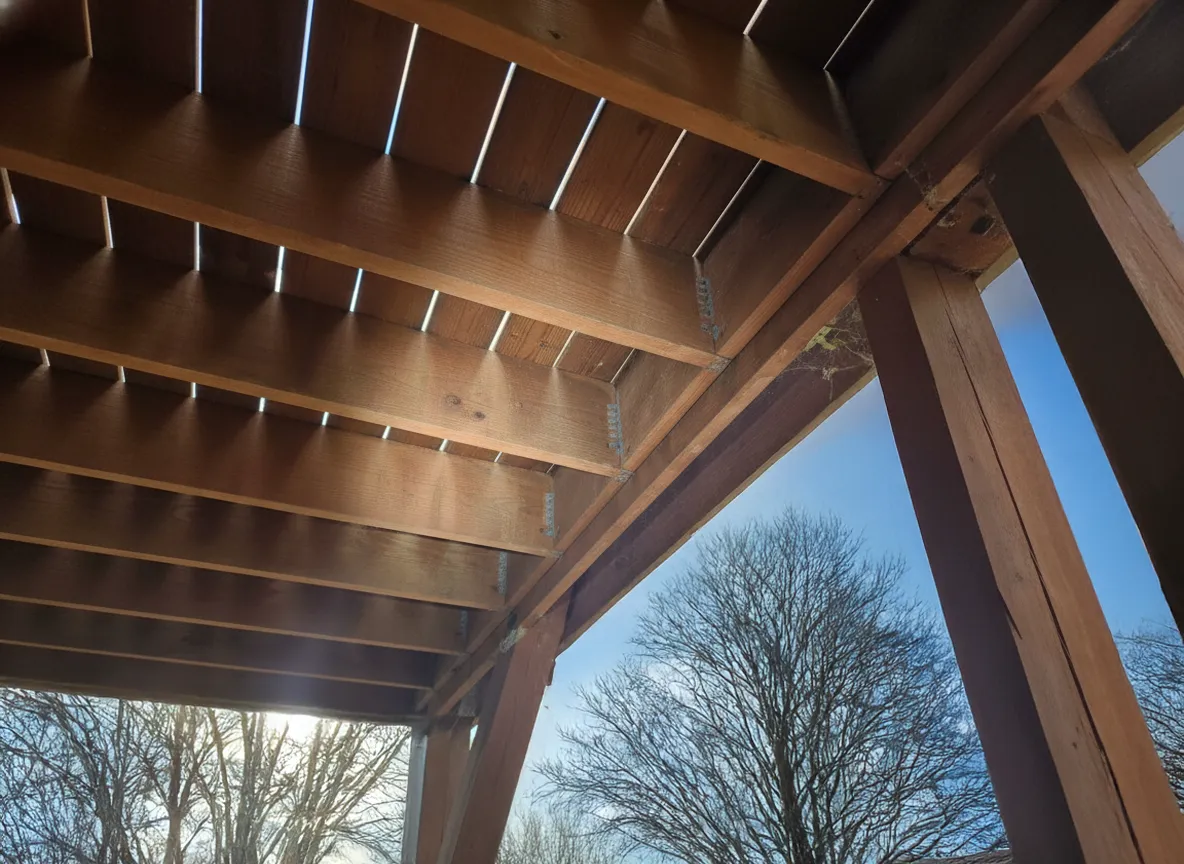
Joists and beams need to be structurally sound — not soft, not cracked, not pulling away from connections. The structure needs to carry load properly and feel stable underfoot. If it bounces, shifts, or sways, we're having a different conversation.
Connections and Hardware
We always use joist hangers for joist installation — no exceptions. If the deck is ledger-attached, we follow code-guided methods including metal flashing, 1/2" lag bolts, and tension ties. When we rebuild, we typically go freestanding.
Posts, Footings, and the Rot Zone
This is where most deck failures start — and where most contractors don't look closely enough.
Our standard:
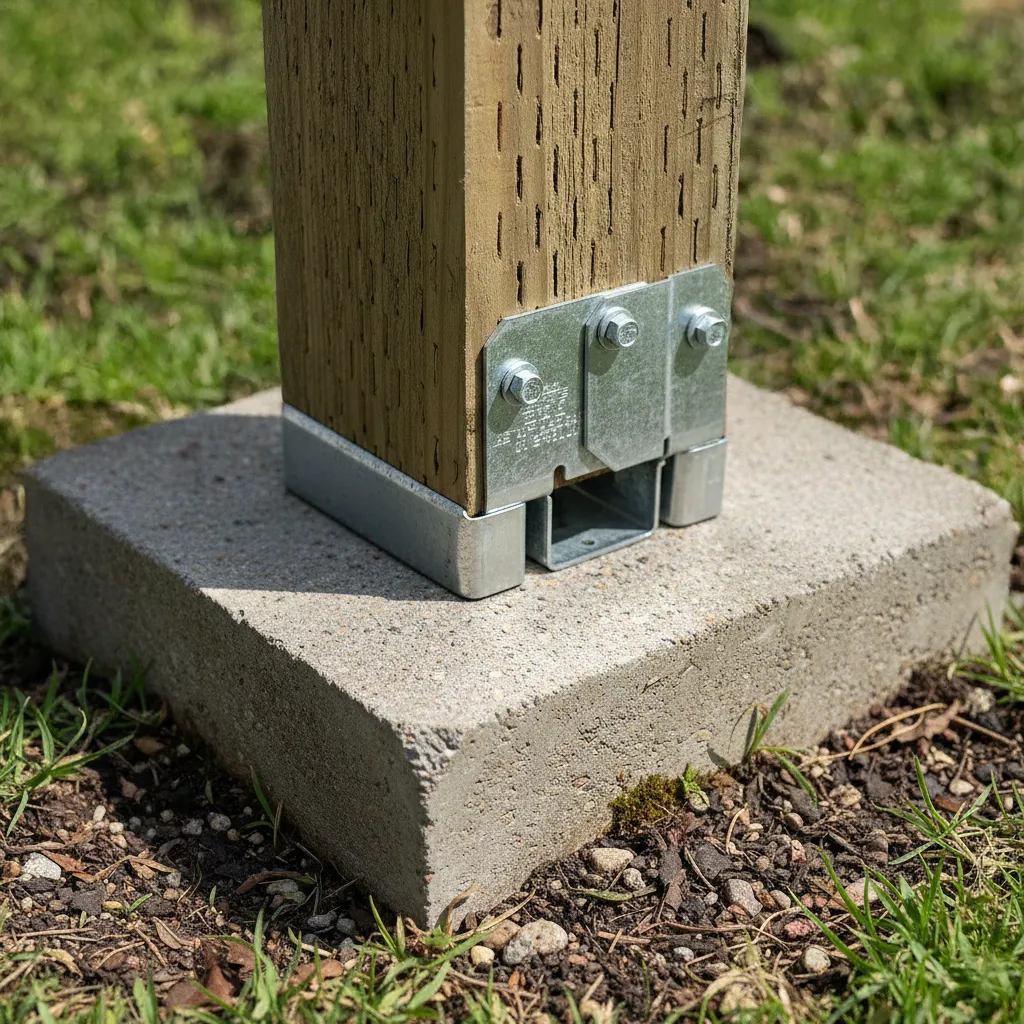
- 2' × 2' footings, approximately 24" deep
- Concrete pier that sits above grade (~2") — so the wood never sits in the splash zone
- Simpson Strong-Tie bracket that lifts the wood post off the concrete entirely
Post rot happens near topsoil. Keeping wood dry at that junction is the single most important thing you can do for a deck's longevity. It's not visible once the deck is finished — but it's the reason ours last.
Composite Compatibility
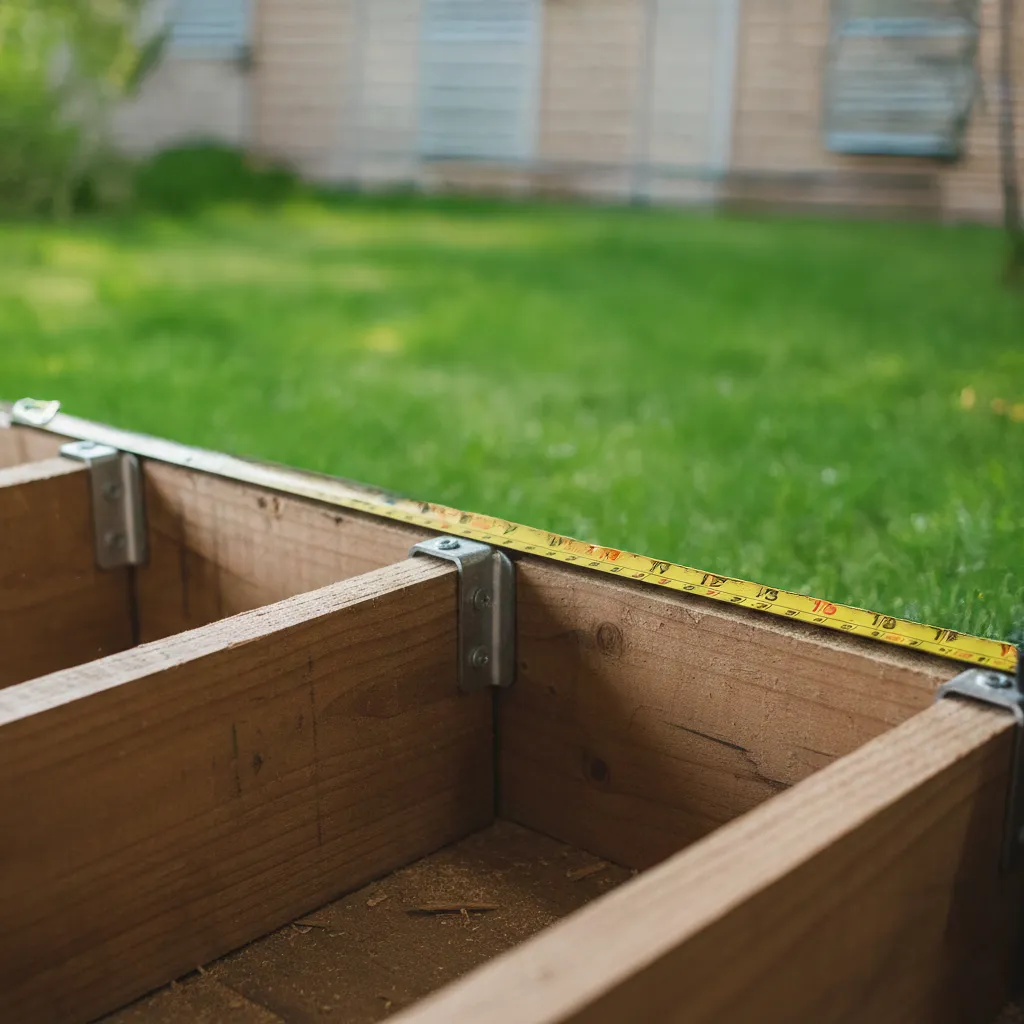
If you want composite boards, your joist spacing has to support it. Most composite products require 16" on-center joist spacing (some require 12" for diagonal patterns). If your existing spacing is too wide, the fix is straightforward: we add joists to bring it into spec.
This isn't a dealbreaker — it's a normal part of the process. We check it during every assessment.
5. Composite vs Wood: Which Surface Is Right for You
Composite ReDecking
We primarily install Trex, and also install TimberTech and Fiberon. One thing we're transparent about: we refuse TimberTech railings — we've seen enough issues that we won't put our name on them. We'll explain why during your consult.
Composite gives you low maintenance, consistent color, and a modern look that won't splinter, crack, or need annual staining. It costs more upfront but pays for itself in time saved and longevity. The framing has to support it — and if joist spacing is too wide, we add joists. That's standard, not a surprise.
Wood ReDecking
Wood can still be the right choice. If you value a traditional look and feel, prefer a lower upfront cost, or plan to stain and maintain it yourself, pressure-treated wood is a solid option.
Either way, we protect the framing: We use joist flashing tape on horizontal wood framing surfaces to help keep the structural members dry — extending the life of the frame you're keeping.
→ Learn more about composite and Trex upgrades
6. How ReDecking Compares to Repair and Full Replacement
RePair — Fix What's Failing
Best when the structure is solid and the problems are isolated — a few bad boards, a loose railing section, sketchy stairs. Targeted repairs restore safety without overbuilding.
→ Learn more about deck repair
ReDeck — Save the Frame, Rebuild the Surface
Best when the structure is worth keeping but everything you see and touch is past its prime. You get a like-new deck experience without demolishing sound framing. This is where most of our projects land.
RePlace — Rebuild Because the Structure Demands It
Best when the framing isn't safe to keep, or when fixing it would be a patchwork that won't last. We rebuild as freestanding structures with proper footings, done right from the ground up.
→ Learn more about new deck builds
"Re-Deck replaced our worn deck boards and railings with a composite product. The process was easy, they showed exceptional integrity and fairness in all aspects of the process, and we are very happy with the outcome."
— Rachel Diana, Dublin
7. What We Inspect Before We Recommend Anything
We don't quote from photos. We don't guess from the driveway. Every recommendation starts with an onsite inspection — and here's exactly what we're checking:
- 1Overall structure condition: is the frame truly safe to keep for another 15-20 years?
- 2Posts and footings: stability, support, any moisture-related deterioration
- 3Post base separation: are posts lifted off concrete, or sitting in the rot zone?
- 4Joist system: condition, connections, and whether joist hangers are present
- 5Attachment approach: freestanding vs ledger-attached (and if ledger, is the flashing correct?)
- 6Joist spacing for composite: and whether adding joists is needed to support your material choice
- 7Railings and fall-risk areas: code compliance and real-world stability
- 8Stairs: condition of treads, stringers, and connections (stairs are often rebuilt during a ReDeck)
This inspection is free. It takes about 30-45 minutes. And it gives you a clear, honest answer — not a sales pitch.
FAQ
A deck qualifies when the structural framing is sound — posts, footings, beams, joists, and attachment approach are all performing safely. That's what our free onsite assessment confirms.
Very often, yes. Stairs take the most abuse and commonly need new stringers or a full rebuild as part of the resurfacing project.
Wood, composite, and our preferred option: black aluminum. We do not install cable railings.
Trex primarily, plus TimberTech and Fiberon for decking. We refuse TimberTech railings — we'll explain why during your consult.
If joist spacing is too wide, the standard fix is adding joists to create proper support. It's a normal part of the process, not a dealbreaker.
Yes — we handle the full permitting process, including in Blacksburg where permitting can be more involved. We've built a strong working relationship there.
We serve Christiansburg, Blacksburg, Radford, Dublin, Pulaski, Salem, and surrounding SW Virginia communities.
Yes — a 1-year workmanship warranty on installation, and we help customers register applicable product warranties.
Get the Right Answer for Your Deck
If your deck still has life in its bones but the surface is holding you back — ReDecking might be the answer you didn't know existed.
The only way to know for sure is to let us look underneath. We'll tell you what's safe to keep, what needs to go, and exactly what it takes to give your deck a second life.
No guessing. No pressure. Just the truth about what's under your boards.
About ReDeck Virginia
ReDeck Virginia is a Class A licensed, insured deck specialist based in Christiansburg, VA, serving homeowners across the New River Valley. We repair, resurface (ReDeck), and rebuild decks — and we always start by telling you the truth about what yours actually needs.
Learn more about us →